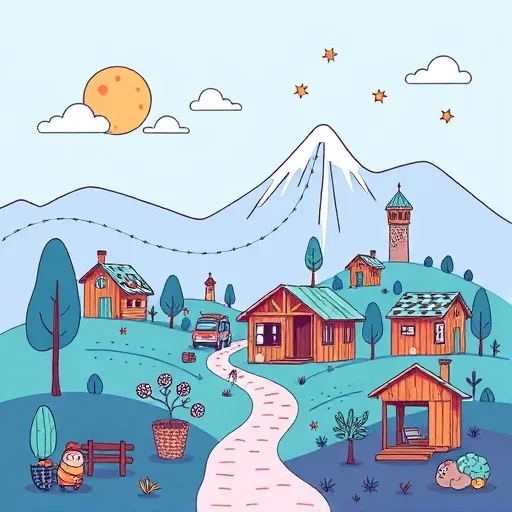
Rural tourism driven
Why Village Accommodation Is Booming in 2026
The surge toward rural tourism and village accommodation is way more than a fleeting travel fad. Industry analysts keep pointing to a handful of converging forces that are reshaping how people plan their getaways. Remote work has become permanently mainstream, which means folks can now spend a week — or even a whole month — in a countryside guesthouse without burning through their vacation days. At the same time, travelers are increasingly prioritizing authenticity over luxury. They want to meet local families, eat food grown a few hundred meters away, and actually understand how life works outside the tourist bubble.
There's a practical angle too. Overtourism has pushed tons of popular urban destinations to their breaking point, with rising prices and increasingly restrictive short-term rental regulations. Village accommodation offers a refreshing alternative: better value for money, more space, and a genuine sense of discovery. Several rural tourism associations reported double-digit growth in bookings across countryside regions throughout 2025, and early 2026 data suggests that momentum is only accelerating. That's a big deal for anyone hunting for a rural escape that doesn't break the bank.
According to one seasoned industry insider at a rural hospitality network, "Travelers today aren't asking 'what's the fastest way to see everything?' They're asking 'where can I slow down?' That's a fundamental shift in what people value." And that shift is exactly why village accommodation keeps showing up at the top of travel trend lists for 2026.
The Remote Work Revolution and Authentic Countryside Guesthouse Experiences
Here's something worth chewing on: the rise of remote work didn't just change office culture — it changed where people want to wake up. Digital nomads and hybrid workers are increasingly trading city hotels for village accommodation where they can set up a laptop, sip coffee grown down the road, and take walks through farmland between meetings. This isn't a niche anymore. It's a full-blown lifestyle shift, and rural hospitality providers are racing to keep up with demand.
Types of Village Accommodation You'll Encounter Across Rural Destinations
One of the best things about village accommodation is its sheer variety. Unlike standardized hotels, rural stays come in all shapes and sizes, each with its own character. Here's a breakdown of the main categories you'll run into during your countryside travels:
1. Family-Run Village Guesthouses and Homestay Hospitality
These are the heart and soul of rural hospitality. A local family opens up part of their home — or a converted barn next door — to guests. You'll typically get a private room, home-cooked meals, and an insider's view of daily village life. Breakfast often includes produce from the family garden, and dinner might be a communal affair around a shared table. If you're looking for the most authentic experience, this style of village accommodation is it.
2. Boutique Countryside Inns and Rural Design Retreats
For travelers who want rural charm without sacrificing comfort, boutique inns in village settings strike a lovely balance. Think restored stone buildings, carefully designed interiors, locally sourced toiletries, and a small number of rooms that guarantee personalized attention. These properties are often run by former city dwellers who relocated to the countryside — and they bring a keen eye for design along with deep respect for local traditions. This kind of village accommodation appeals to couples and design lovers especially.
3. Farm Stays and Agri-Tourism Lodges for Hands-On Travelers
Farm stays let you roll up your sleeves (if you want to) and participate in daily agricultural life. You might help with feeding animals, harvesting seasonal crops, or learning traditional food preservation techniques. Many farm-based village accommodation providers now offer structured experience packages that include guided activities, cooking classes, and nature walks. These are particularly popular with families and with travelers seeking a digital detox.
4. Heritage Village Rentals and Historic Cottage Stays
Some villages — especially in regions with rich architectural history — offer restored heritage houses available for short-term rental. These could be centuries-old cottages, traditional courtyard homes, or converted mill buildings. Staying in one of these is like stepping into a living museum, but with modern plumbing and Wi-Fi, thankfully. This type of village accommodation is a dream for history buffs and architecture enthusiasts.
5. Eco-Lodges and Sustainable Rural Retreats for Green Travelers
Environmental consciousness is a major driver of 2026 travel decisions. Eco-lodges in village settings emphasize solar power, rainwater harvesting, composting, and minimal environmental footprint. Many are built with local materials and staffed by village residents. If sustainability matters to you, ask specifically about a property's energy and waste practices before booking — the best ones are transparent about it. This flavor of village accommodation keeps growing as green travel goes mainstream.
How to Choose the Right Village for Your Countryside Getaway
Picking the right village is arguably more important than picking the right property. A beautiful guesthouse in the wrong location can leave you bored or isolated, while a modest room in a vibrant village can be the highlight of your trip. Here are the key factors to weigh when booking village accommodation:
- Accessibility: How far is the village from the nearest transport hub? Some villages are well-connected by rail or bus; others require a car. Check road conditions in winter if you're traveling in colder months.
- Seasonal rhythm: A village that's lively during harvest season might be nearly empty in February. Research what's happening locally during your travel dates — festivals, markets, agricultural cycles.
- Local amenities: Does the village have a shop, a café, a pharmacy? If not, how far is the nearest town? This matters more than you'd think, especially for longer stays in village accommodation.
- Connectivity: If you need to work remotely, verify internet speeds with the host directly. Don't rely on listing descriptions alone — ask for a screenshot of a speed test.
- Community vibe: Read recent guest reviews carefully. Comments about how welcoming the locals are, or how involved the host is in community life, tell you a lot about what your experience will feel like.
A general rule of thumb from experienced rural travelers: the smaller the village, the more important it is to arrive with an open mind and a willingness to adapt to local rhythms. You're not just booking a room — you're joining a community, even if only for a few days. That's the magic of village accommodation done right.
What to Expect from Village Accommodation: Setting Realistic Guest Expectations
Village stays are wonderful, but they're not for everyone — and that's okay. Being honest with yourself about what you need will save you from disappointment. Here's what you should genuinely expect from village accommodation:
The Pros of Rural Stays and Countryside Hospitality
- Genuine hospitality: Hosts in village accommodation often go above and beyond. Many will pick you up from the station, draw you a hand-drawn map of local walks, or invite you to a neighbor's birthday celebration.
- Better value: Your money goes further in rural areas. A charming private room with breakfast often costs less than a basic city hotel room.
- Local food: Meals are frequently made from scratch using regional ingredients. Some hosts offer cooking demonstrations or take guests to local markets.
- Peace and quiet: If you're used to city noise, the silence of a village at night can feel almost revolutionary. Many guests report sleeping better than they have in years.
- Authentic cultural exchange: You'll learn things about a region that no guidebook covers — dialect phrases, local legends, traditional crafts.
The Cons of Village Accommodation (and How to Handle Them)
- Limited public transport: Buses might run twice a day, or not at all on Sundays. Plan ahead — rent a car or arrange transfers in advance.
- Fewer dining options: Village restaurants may have limited hours or close seasonally. Your guesthouse host is your best resource for figuring out where to eat.
- Variable connectivity: Mobile signal can be patchy. If you absolutely need reliable internet, confirm this with your host before booking village accommodation.
- Language barriers: In smaller villages, English may not be widely spoken. Learning a few phrases in the local language goes a long way — and locals genuinely appreciate the effort.
- Fewer "attractions": If you need constant entertainment and sightseeing, a village stay might feel slow. You have to be comfortable with simply being somewhere, rather than constantly doing something.
Booking Village Accommodation: Smart Strategies for 2026 Rural Travel
The booking landscape for rural stays has evolved significantly. Here are the strategies that work best right now for securing great village accommodation:
Book Direct with Countryside Hosts Whenever Possible
Many village accommodation providers now have their own websites and booking systems. Booking directly often gets you a better rate (since the host avoids platform commissions), more flexible cancellation terms, and a chance to ask detailed questions before you commit. It also builds a personal relationship from the start — hosts remember guests who made an effort.
Use Specialized Rural Booking Platforms and Regional Tourism Boards
While general travel platforms list plenty of countryside properties, a growing number of niche platforms focus exclusively on rural and village stays. These platforms tend to have better filtering for things like farm experiences, pet-friendly properties, and accessibility features. Some regional tourism boards also maintain their own verified listings — worth checking, since these often include smaller properties that don't appear elsewhere.
Check Recent Guest Reviews from 2025–2026 Only
Reviews from several years ago may no longer reflect reality. Hosts change, properties get renovated, and villages themselves evolve. Focus on reviews from the past 12–18 months, and pay attention to how hosts respond to criticism — a thoughtful, professional response to a negative review is actually a good sign for your village accommodation pick.
Ask Specific Questions About Amenities and Accessibility Before You Book
Don't be shy. A good host will appreciate your diligence. Useful questions include: What's the nearest train station, and do you offer pickup? Is there a shop within walking distance? What's the Wi-Fi speed? Are there any local festivals or closures during my dates? Is the room heated or air-conditioned year-round? These details matter far more in a village than in a city — and the best village accommodation hosts will happily answer all of them.
Consider Off-Season Travel for Quieter Countryside Escapes
Village accommodation is often dramatically cheaper and quieter outside peak season. Spring and autumn are usually ideal — pleasant weather, fewer crowds, and hosts with more time to chat. Winter can be magical in the right region (think snowy landscapes and cozy fires), but confirm that heating and access roads are reliable before booking.
Making the Most of Your Village Accommodation Experience
Once you've arrived, a few simple habits can transform a good stay into an unforgettable one:
- Talk to your hosts: Ask them about their lives, their village, and what they'd recommend. The best recommendations never appear online.
- Shop locally: Buy from the village shop, the bakery, the local market. Your spending directly supports the community that's hosting you.
- Walk everywhere: Villages are best explored on foot. Take the paths the locals use, not just the marked tourist trails.
- Respect local customs: Dress modestly where appropriate, ask before photographing people, and follow local etiquette around meals and greetings.
- Learn a few words: Even a basic greeting in the local language breaks the ice and signals respect.
- Disconnect: Resist the urge to livestream everything. The point of village accommodation is presence, not performance.
Village Accommodation and Sustainable Tourism: A Greener Travel Future
One of the most compelling arguments for village accommodation is its role in sustainable tourism. When travelers stay in rural communities, tourism revenue spreads beyond major cities and reaches families and small businesses that rarely benefit from mass tourism. This can help slow rural depopulation — a serious challenge in many regions — by making village life economically viable again.
That said, sustainability requires conscious effort from both hosts and guests. Travelers should look for properties that employ local staff, source food regionally, and manage waste responsibly. A growing number of village accommodation providers now publish sustainability commitments on their websites — if that information isn't available, it's fair to ask.
As one rural development expert put it, "The future of tourism isn't about building more — it's about distributing better. Village accommodation is one of the clearest examples of that principle in action."
Common Myths About Village Stays and Rural Travel — Busted
There's a lot of misinformation floating around about rural travel. Let's clear up a few persistent myths about village accommodation:
Myth: Village Accommodation Is Always Basic and Uncomfortable
False. While some village stays are indeed simple, the category now spans everything from rustic farm rooms to beautifully restored boutique inns with underfloor heating and rain showers. You can choose exactly the level of comfort you want from your village accommodation.
Myth: There's Nothing to Do in a Countryside Village
Only if you define "something to do" as visiting shopping malls and theme parks. Villages offer hiking, cycling, foraging, cooking classes, craft workshops, wildlife watching, and the simple pleasure of long conversations. Many travelers find they're busier in villages than they expected — just in a different way.
Myth: You Need to Speak the Local Language Fluently for Village Stays
Not at all. English is widely spoken in most rural hospitality settings, and translation tools handle the rest. A few basic phrases show goodwill and are always appreciated.
Myth: Village Accommodation Is Only for Retirees or Families
Solo travelers, couples, remote workers, groups of friends — village accommodation suits a surprisingly wide range of travelers. If anything, younger travelers are driving much of the growth in rural bookings in 2026.
Final Thoughts: Is Village Accommodation Right for Your 2026 Travel Plans?
If you're craving a travel experience that feels real — where you eat food someone actually grew, sleep in a building with history, and wake up to birdsong instead of traffic — village accommodation deserves a place on your 2026 travel list. The key is going in with clear expectations, doing a bit of homework before booking, and arriving ready to engage with the place and its people on their terms.
Rural stays aren't about escaping the world. They're about seeing more of it — the parts that don't make it onto postcards, where life happens at a human pace and strangers still wave from across the street. Book thoughtfully, travel gently, and the village will give you something the big resorts never can: a genuine sense of belonging, even if only for a few nights. That's the promise of village accommodation — and in 2026, it's a promise more travelers than ever are cashing in on.
The best time to start planning? Honestly, right now. Village accommodation in the most sought-after regions tends to book up early in 2026, and the off-season windows are already filling. Find a village that speaks to you, reach out to your hosts directly, and start packing. Your countryside adventure is closer than you think.